


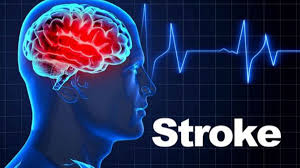
A person is having breakfast with their family when suddenly one side of their face looks different. Their speech becomes unclear, and one arm seems weaker than the other.
Someone nearby says, “Let’s wait for a few minutes. Maybe it will get better.”
That is exactly when you should not wait.
A stroke can happen suddenly, and the first few minutes and hours matter. Knowing the warning signs and getting emergency medical care quickly can make a major difference.
For patients searching for a stroke treatment specialist in Karol Bagh, understanding what to do before reaching a specialist is just as important as knowing where to seek follow-up care.
A stroke happens when blood flow to part of the brain is interrupted or when a blood vessel in the brain bleeds.
Without enough blood and oxygen, brain cells can become damaged.
There are different types of stroke, and treatment depends on the type and cause. This is why a person with suspected stroke needs urgent medical assessment rather than home treatment.
The symptoms can appear suddenly.
A simple way to remember common warning signs is FAST:
F — Face: One side of the face may droop.
A — Arms: One arm may become weak or numb.
S — Speech: Speech may become unclear, strange, or difficult.
T — Time: Get emergency medical help immediately.
Other symptoms can include sudden vision problems, severe dizziness, difficulty walking, loss of coordination, confusion, or a sudden severe headache.
You do not need to wait until every symptom appears.
Even one sudden warning sign can justify emergency evaluation.
Stroke is not something that should be handled by waiting at home.
The longer the brain is deprived of blood and oxygen, the greater the risk of permanent damage. Some stroke treatments are highly time-sensitive and may only be appropriate within specific treatment windows.
This is why we strongly advise patients and families: if stroke is suspected, go to an emergency department immediately.
Do not wait for a routine appointment.
Do not give random medication.
Do not assume the symptoms will disappear.
Patients searching for Dr. Bharat Rastogi Neurologist Karol Bagh may be looking for specialist neurological care after stroke or for help understanding stroke risk and recovery.
Dr. Bharat Rastogi, Neurologist, provides evaluation and management for neurological conditions including stroke, epilepsy, headaches, movement disorders, multiple sclerosis, and nerve-related problems. His approach involves assessing the patient's symptoms, medical history, examination findings, and relevant reports to help guide an appropriate neurological treatment and follow-up plan.
In stroke care, specialist involvement can be important not only during evaluation but also during follow-up and recovery.
The treatment plan depends on the type of stroke, its cause, the area of the brain affected, and the patient's overall health.
Imagine an older adult who suddenly develops weakness in one arm and difficulty speaking.
The family initially assumes it may be tiredness or low blood pressure. After a few minutes, the symptoms appear slightly better, so they consider waiting until the next morning.
That can be dangerous.
Even if stroke symptoms improve, the episode may represent a transient ischemic attack (TIA), sometimes called a mini-stroke. A TIA can be a warning that a more serious stroke may follow.
The practical lesson is simple: temporary improvement does not automatically mean the danger has passed.
Many families think the fastest option is putting the patient into a private car and driving to the hospital.
That is not always the safest approach.
If emergency medical transport is available, calling for it can allow the patient to begin receiving appropriate care while being transported. It can also help the receiving hospital prepare for a suspected stroke.
Most importantly, do not lose valuable time arguing about which hospital or specialist to visit.
Emergency care comes first. Specialist follow-up comes after the immediate crisis is addressed.
Stroke treatment does not end when the patient leaves the hospital.
Depending on the type and severity of stroke, recovery may involve rehabilitation for movement, speech, swallowing, balance, or other problems.
The doctor may also investigate why the stroke happened and how to reduce the risk of another one.
This can involve managing conditions such as high blood pressure, diabetes, high cholesterol, heart rhythm problems, and other risk factors.
Medication adherence is also important.
Do not stop prescribed medicines simply because the patient feels better.
Not every stroke can be prevented, but controlling risk factors can reduce the risk.
Blood pressure deserves particular attention.
Smoking, uncontrolled diabetes, high cholesterol, physical inactivity, obesity, and certain heart conditions can also increase stroke risk.
One of the most useful things a person can do is know their health numbers and follow through with treatment.
Prevention is not about making one dramatic change for a week. It is about managing risk consistently over time.
Bring your hospital discharge papers, brain scan reports, blood-test results, medication list, and any rehabilitation records.
Also make a note of new symptoms since discharge.
If there are problems with walking, speech, swallowing, memory, vision, or hand movement, describe how these issues affect everyday activities.
Specific examples are more useful than simply saying, “I am not feeling normal.”
One of the most dangerous misconceptions is that symptoms are harmless if they disappear.
A person may experience weakness or speech difficulty for a short period and then return to normal.
That does not mean the event should be ignored.
A TIA can be a warning sign of future stroke risk and needs medical assessment.
If sudden neurological symptoms occur, treat them seriously even if they improve.
Common sudden warning signs include facial drooping, weakness or numbness on one side, difficulty speaking, confusion, vision changes, severe dizziness, and difficulty walking. Emergency medical care should be sought immediately.
Recovery depends on the type of stroke, the area and amount of brain affected, how quickly treatment was provided, and the individual's health. Rehabilitation can help many patients regain function and independence.
Do not ignore them. Temporary stroke-like symptoms may be a TIA, which can warn of a future stroke. Seek urgent medical evaluation rather than waiting for symptoms to return.
With stroke, there is no prize for waiting to see what happens.
If you notice sudden facial drooping, arm weakness, speech difficulty, vision changes, severe dizziness, or other sudden neurological symptoms, seek emergency medical care immediately.
Once the emergency has been managed, appropriate neurological follow-up can help with recovery, risk-factor management, and reducing the chance of another event.
For patients looking for a stroke treatment specialist in Karol Bagh, Dr. Bharat Rastogi can be considered for neurological evaluation and follow-up as appropriate.
If you or a family member develops sudden stroke-like symptoms, do not wait for a routine consultation. Call emergency medical services or reach the nearest emergency department immediately.
| Tags: | #Stroke Treatment Specialist in Saket, # Stroke Treatment Specialist in Greater Kailash, # Stroke Treatment Specialist in Malviya Nagar, # Stroke Treatment Specialist in Green Park |


